Is It Easy to Breed Hermit Crabs in Captivity
If you want a pet that you don't have to take on long walks or even pet, hermit crabs are the perfect option for you! They're also great pets to help teach children responsibility, especially before moving on to small rodents or even cats or dogs. Hermit crabs are fun to watch and even allow you the ability to customize them to your personal aesthetic! How often can you say that about a pet? We have everything you need to be prepared to bring home your first hermit crab.
What Is A Hermit Crab?
Pexels – Dan Wilding
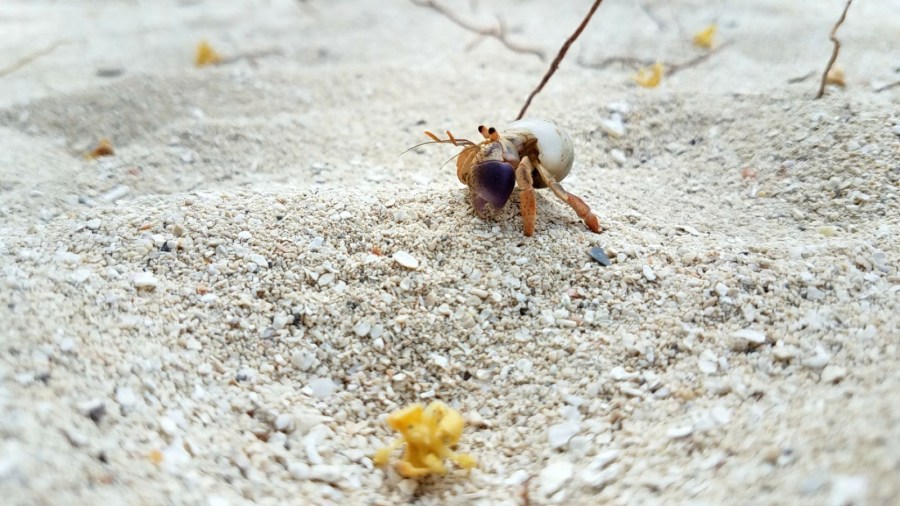
Although they are popular pets in certain parts of the country, not everyone may know what a hermit crab actually is!
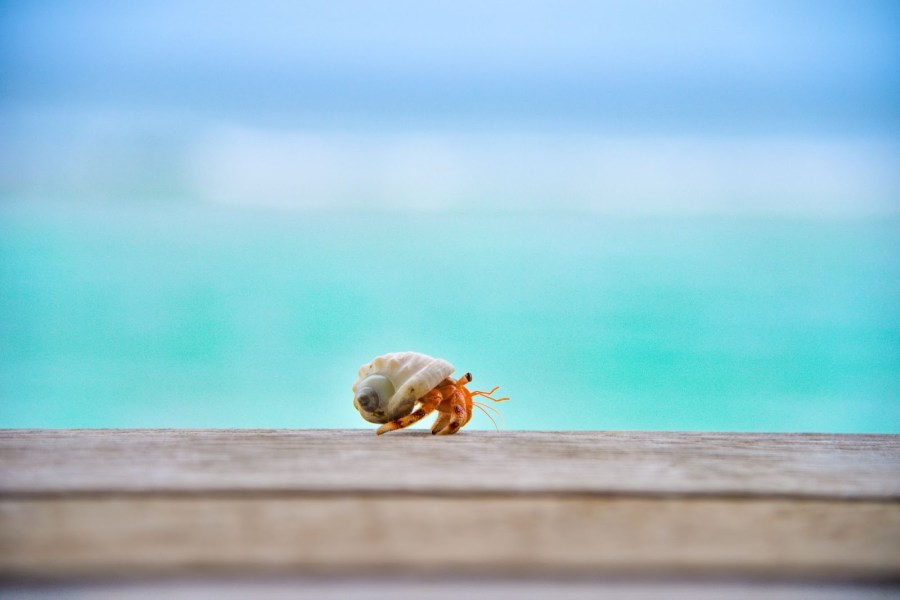
For starters, hermit crabs are actually crustaceans. In this case, they have been able to adapt to their environment by changing from shell to shell so that they can protect their fragile exoskeletons. There are more than 800 different types of hermit crabs in the world, and most live anywhere from 15 – 20 years if maintained properly. They can also get up to six inches long if they have enough room and the proper shell size available.
Pexels – Dan Wilding
Although most crabs live in the water, hermit crabs make their home on the land. However, they do need water available to help replenish the water in their shell. Without it, they would dry up and eventually die. Marine-grade saltwater is a good option for soaking in a bowl with low enough sides that they can easily crawl into it. Avoid metal bowls, as well, as hermit crabs tend to be very sensitive to metals.
A properly set up hermit crab habitat is kept as tropical as possible, which is closest to their natural environment. When it comes to size, a good rule of thumb is that a five gallon tank is a good minimum for a pair of hermit crabs. The tank should also have a tightly fitting lid that will not only keep your pet from escaping its home but also keep humidity in. Also, despite their need for a tropical environment, you'll want to avoid placing the tank in direct sunlight.
Temperature-wise, you'll want to make sure the tank stays between 75 – 85 degrees Fahrenheit during the daytime and 65 – 75 degrees Fahrenheit during the evening. A programmable thermostat is a great way to monitor and control this. Also, because hermit crabs like to bury themselves when they molt, under tank heaters should be avoided. You'll want to monitor the humidity level, as well, which should be between 70 – 80%. You can mist the tank to help raise the humidity, as needed.
At the bottom of the tank should be a hermit crab-friendly substrate, like silica play sand, coconut fiber, or soil. Calcium carbonate-based sand is not recommended as it tends to stick to the crab's abdomen and legs. The substrate is an essential element because your pet will bury themselves as they are molting. A good rule of thumb is that the depth of your substrate should be three times the height of your largest hermit crab. You'll also need several places for your hermit crab to hide.
Lighting is also important, as hermit crabs do best when they have between eight to 12 hours of light every day. LED or fluorescent bulbs are best, and UVB lighting should be avoided as it is too intense for the crab.
Cleaning Your Hermit Crab's Tank
Pexels – Dan Wilding
Hermit crabs aren't very messy pets, but cleaning the tank is still necessary to keep them as healthy as possible. It's recommended that you do this once weekly, using a three percent bleach solution. Before cleaning the tank, make sure that you remove all hermit crabs and put them in a safe place. Remove the substrate from the bottom of the tank and discard, then scrub the entire tank. Rinse thoroughly using plain water, and make sure that no bleach odor remains. Before your hermit crabs return to their tank, make sure that it is allowed to dry completely. Replace the substrate, refresh the water bowls, and then let your pets enjoy their clean home!
What To Feed Your Hermit Crab
Pexels – Dan Wilding
A source of dechlorinated freshwater is also essential, preferably in the same type of shallow bowl that you keep your marine-grade saltwater.
When it comes to food, the hermit crab diet is relatively inexpensive and easy to maintain. Pellet food is available and can make up most of their diet while also supplementing with fruits and vegetables. Keep in mind that they don't eat a lot, mainly eating at night in small bites. Keep the size of your crab in mind, too. Some of the smaller hermit crabs may have a difficult time being able to grab the pellets. In those cases, the pellets can be crushed, or there are powdered hermit crab foods available.
Dark, leafy greens, like kale, spinach, or broccoli, and chopped-up fruits, like apples, bananas, and grapes, are great nutritional supplements. Stay away from citrus. You don't have to give them much, due to their size, and the food should be placed in the tank in the evening and removed in the morning. If you want to give them an extra special treat, hermit crabs can also be given fish flakes, brine shrimp, or seaweed. Much like humans, hermit crabs appreciate variety.
Can You Have More Than One Hermit Crab?
Pexels – Dan Wilding
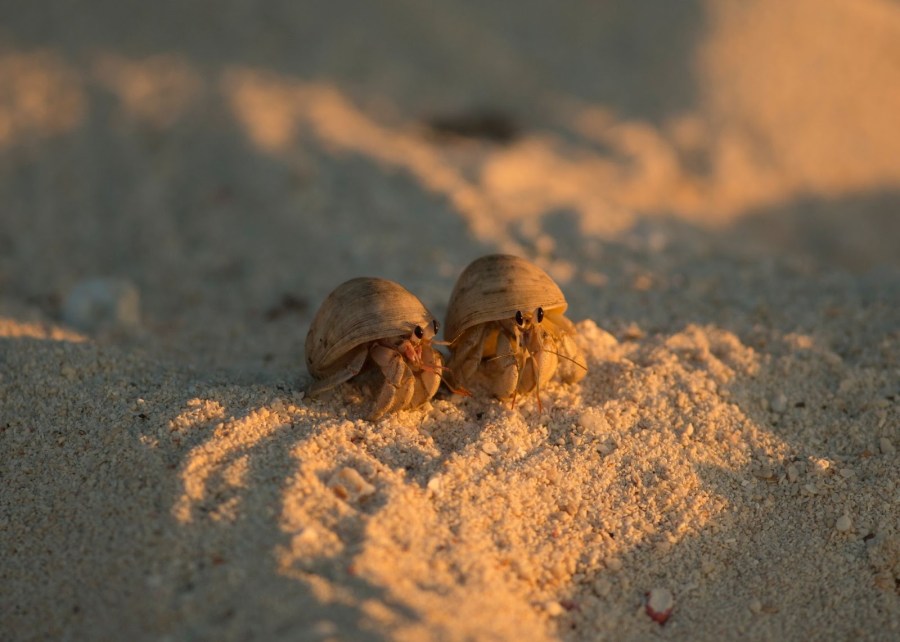
Even though they are called "hermit" crabs, they are actually fairly social in nature. They can happily live together in pairs or even groups if you'd prefer to have more than one at a time. Groups of three or more are recommended, but make sure that you also adjust the size of the tank.
Hermit Crab Shell Care
Pexels – Dan Wilding
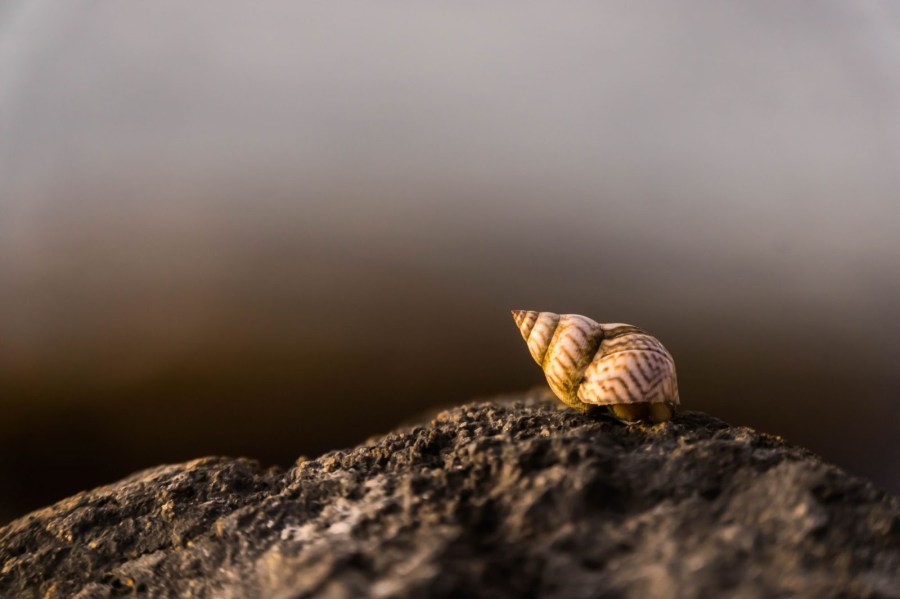
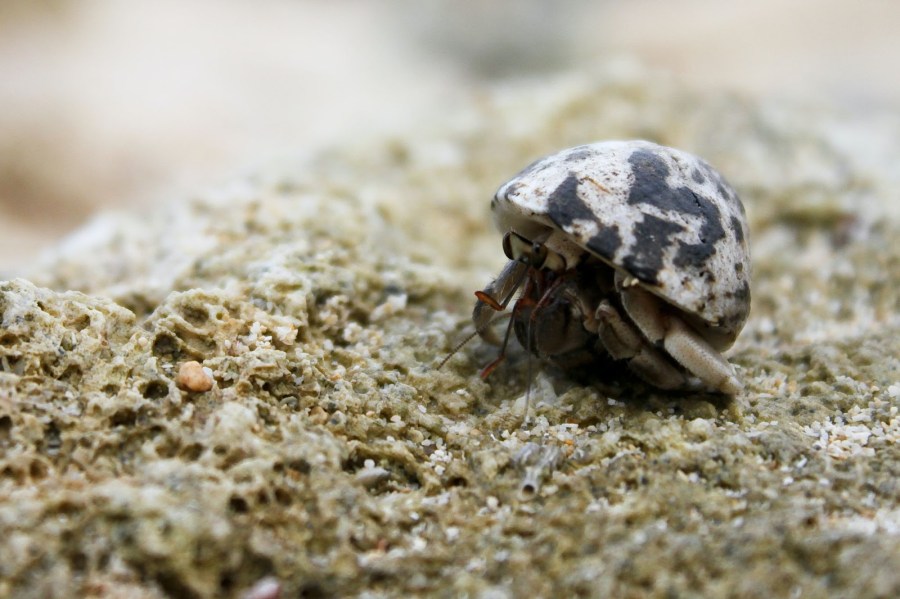
One of the most interesting things about hermit crabs, and the reason people are drawn to them, is that they molt (shed) their skin when they are ready to move into a new, bigger shell.
Because of how essential those shells are to healthy growth and development, it's recommended that any hermit crab enclosure has at least three to five larger-sized shells available. That's where the fun comes in! Those shells can be any color you want, and you can even hand paint them yourself. It's fun to be able to catch your hermit crab making a change because they take the time to inspect any potential new shell both visually and physically before deciding which one to move into.
Hermit crabs will molt around twice a year. During that time, you will likely notice that your crab is slowing down a little. As long as they seem to be drinking the same amount of water, it is just a normal part of the process, which can take up to several weeks to complete. And, although it may seem gross, leave the shed skin in the tank after your crab is done molting. They will likely consume it, as it is full of calcium!
Can You Handle Your Hermit Crab?
Pexels – Dan Wilding
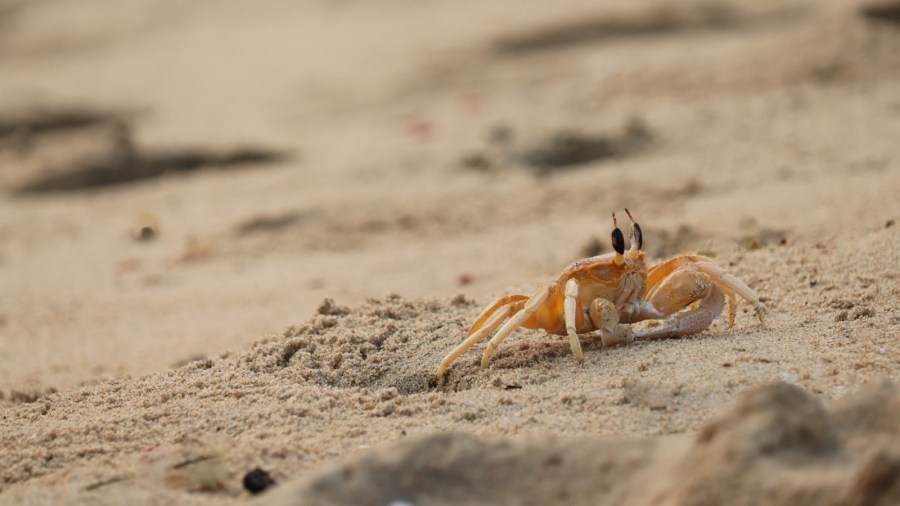
That's up to you! Hermit crabs definitely can be handled, but they are also likely to pinch if they feel threatened or scared. While little, those pinches can definitely hurt, especially for any children that may be handling them.
If you are able to handle your hermit crabs, it is recommended that you pick them up and place them into their saltwater dish once daily.
Hermit Crab Health Tips
Keeping your hermit crab healthy is generally as easy as keeping their tank clean, giving them the right diet and supplemental fruits and vegetables, and providing them with shell options for when they're ready to molt.
In fact, when hermit crabs molt is when they are at their most vulnerable. If you have a pair or a group of hermit crabs and only one of them is molting, you may want to remove that crab until the process is finished. It isn't unusual for the vulnerable, molting crab to be attacked.
Unfortunately, there isn't a lot of veterinary care available for hermit crabs. If you notice that your pet is showing any decrease in their activity or appetite, has lost any limbs or claws, or is staying outside of their shell for longer than they should be, contact a veterinarian for advice.
Stress can also significantly impact hermit crabs. This stress normally comes from being kept in an improper habitat or being bullied by other crabs in the tank, so it is easy to identify and fix the situation if it occurs.
In Summary
Hermit crabs make great pets, especially for families with young children. They are fun to watch, easy to take care of, and you can even design the shells to match the color scheme in your home! Our beginner's guide covered the basic information that you need to bring home your first hermit crab, so that you can have long, happy lives side by side.
Sources:
Hermit crabs, facts and photos | National Geographic
FLUKER'S Buffet Blend Hermit Crab Food, 2.4-oz jar | Chewy.com
FLUKER'S Premium Variety Diet Hermit Crab Food, 4-oz jar | Chewy.com
Source: https://www.reference.com/pets-animals/hermit-crabs?utm_content=params%3Ao%3D740005%26ad%3DdirN%26qo%3DserpIndex&ueid=19b3459d-1822-42cd-8a39-8261b08a3a28
0 Response to "Is It Easy to Breed Hermit Crabs in Captivity"
Post a Comment